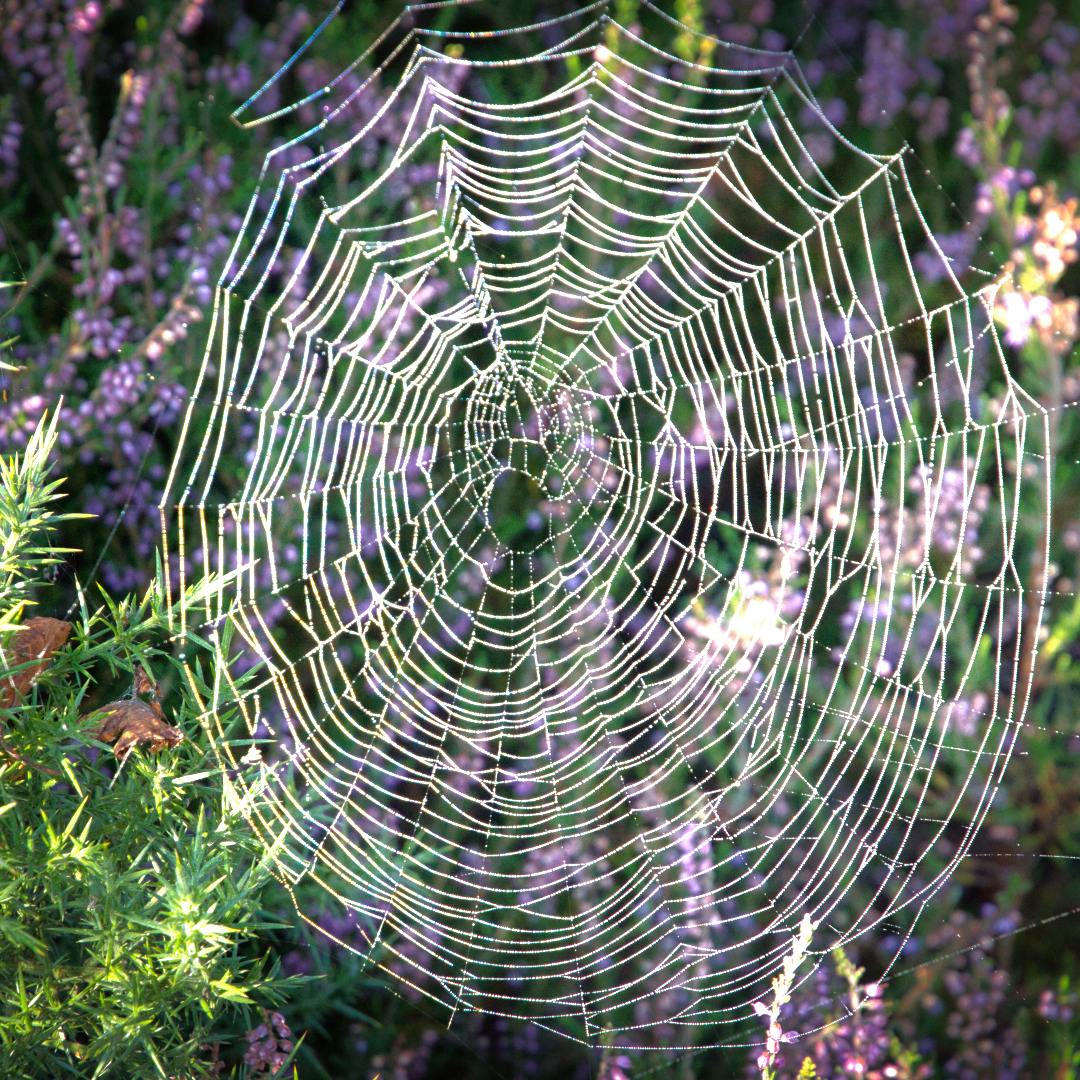
Helping Haslemere's Wildlife
What can we do?
Haslemere is a wonderful, interconnected web of people, plants and animals, and we often find ourselves giving thanks for living in a very special place! We have many opportunities to enjoy the beauties of the natural world and we can easily be lulled into thinking that “Nature is doing okay in our area” . In truth, the future of our environment, and with it our own food security and resilience in the face of extreme climate events is in jeopardy
*Probably, the most helpful thing we can do for local wildlife is to take time to observe and enjoy it!*
Have fun capturing the moment, on camera, in a quick note or recorded message, to share with others. If you dabble in any creative medium, sharing your joy and appreciation through such activities can be very rewarding personally. Sharing what you value also raises the profile of wildlife in the eyes of others, not least the policy makers whose decisions can make or break the town’s wildlife recovery plan.
Surrey’s Biodiversity Losses
• 972 species are currently under threat
• 626 species already extinct locally
• 56% of wildlife has shown a decreasing trend 1970 - 2013
• 43% decline of pollinators in urban area
When we venture outside, we can find a great many plants, insects and animals but it tends to be the same few species we see over and over again! The State Of Nature 2023 highlights significant challenges facing biodiversity in Surrey: Like much of the UK, Surrey is witnessing a decline in wildlife. The average abundance has dropped by 19% since 1970 and nearly 1 in 6 species is at risk of extinction. Key drivers of this deterioration include habitat loss, intensive agriculture, climate change and urban devopment. Of particular concern are invertebrate populations, particularly pollinators like bees and moths, impacting ecosystem functions essential for human survival and agriculture.
We don’t have to go far to see wild creatures - in many cases we don’t have to go anywhere at all because they come to us in our gardens and streets.
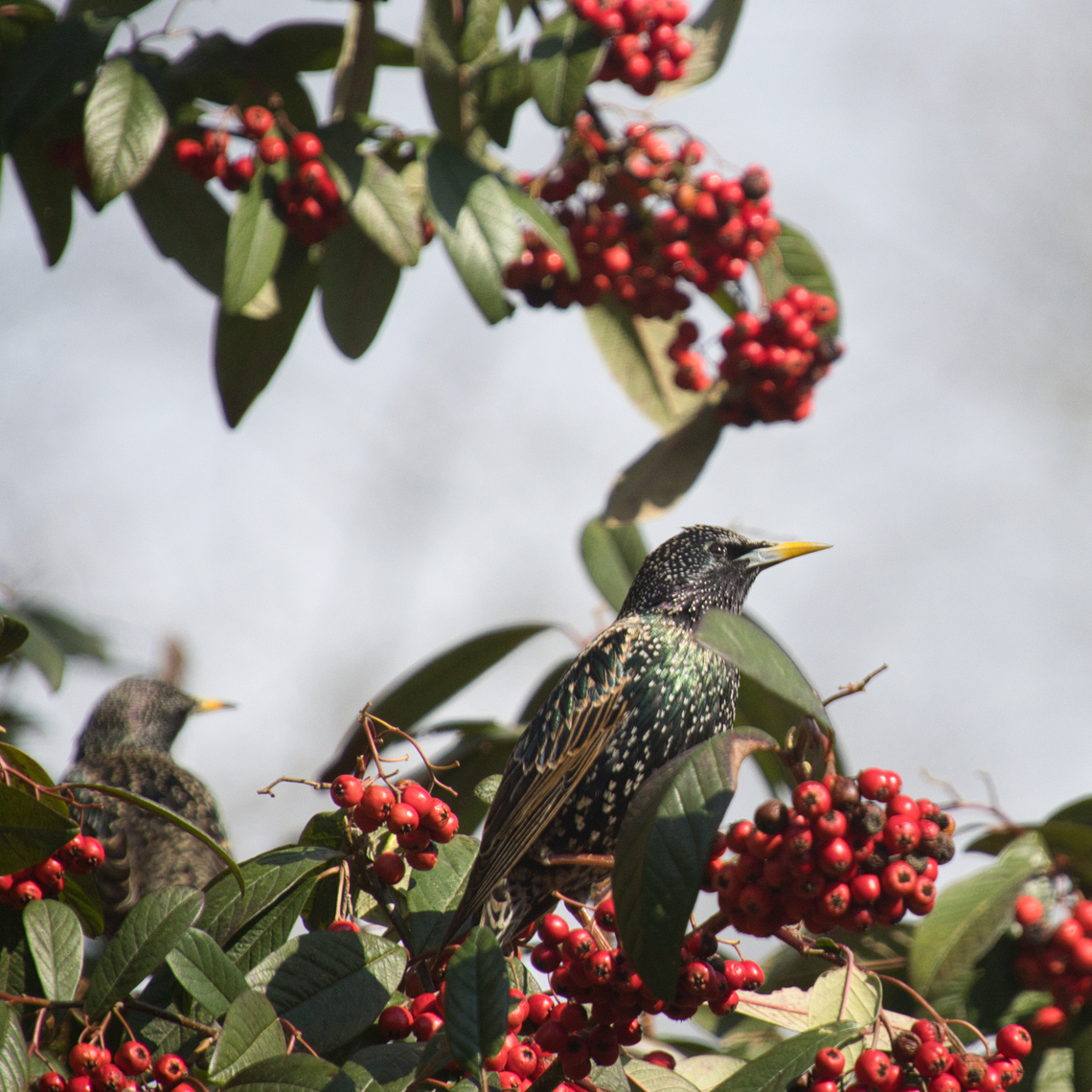
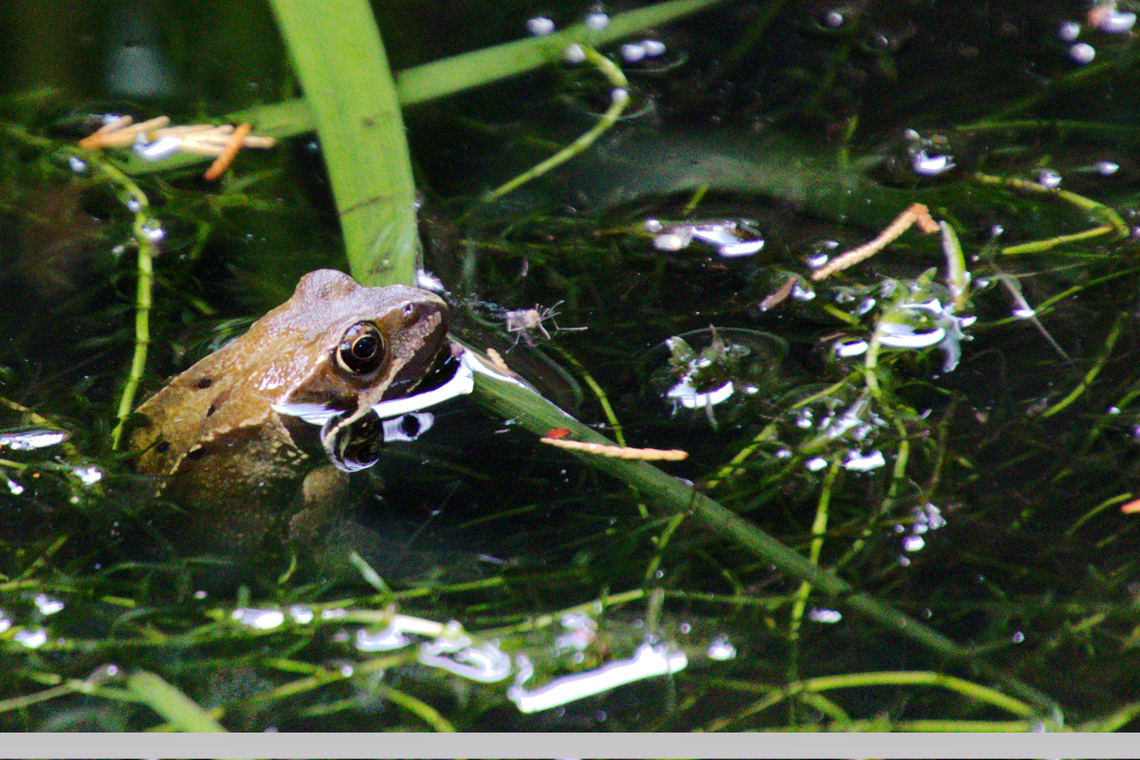
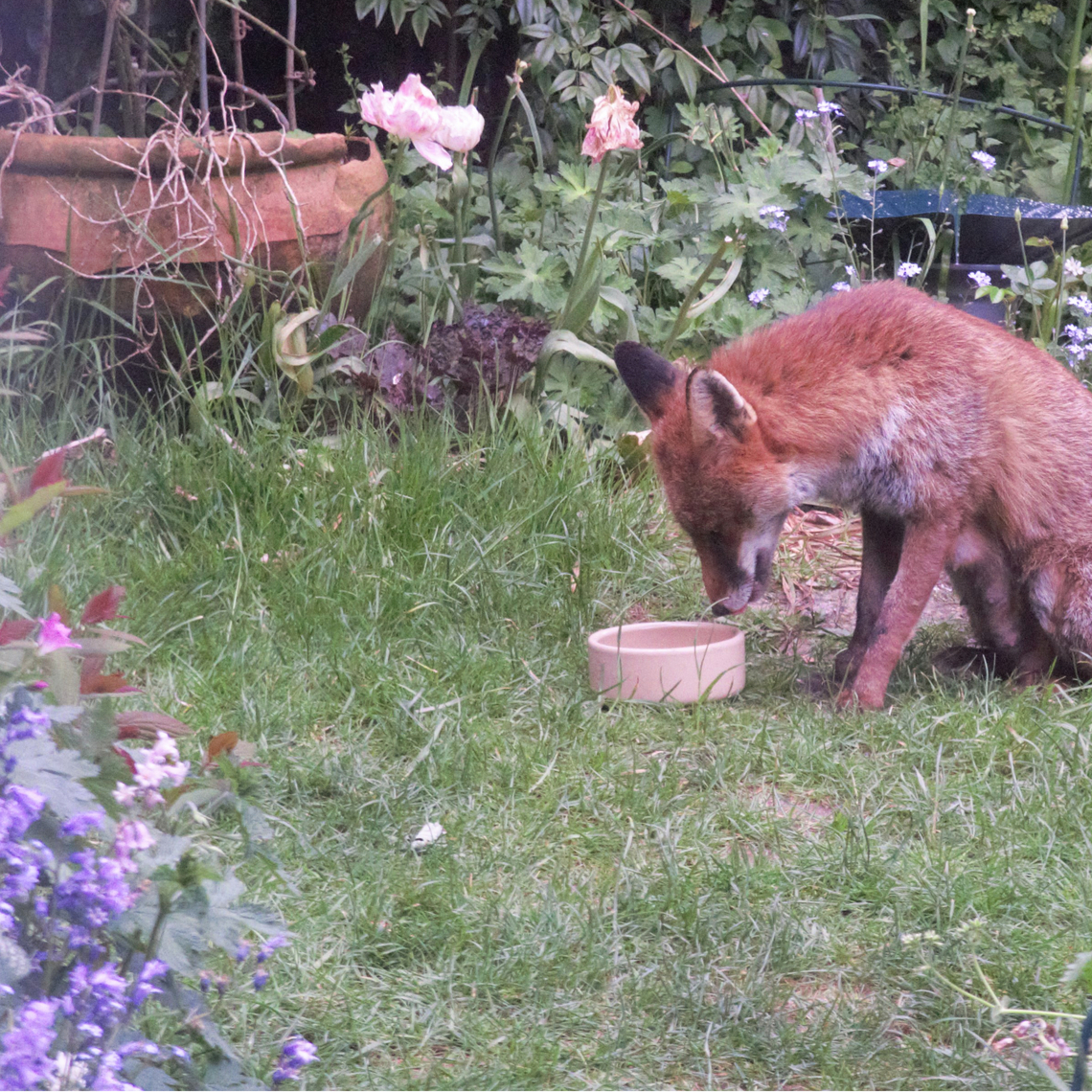
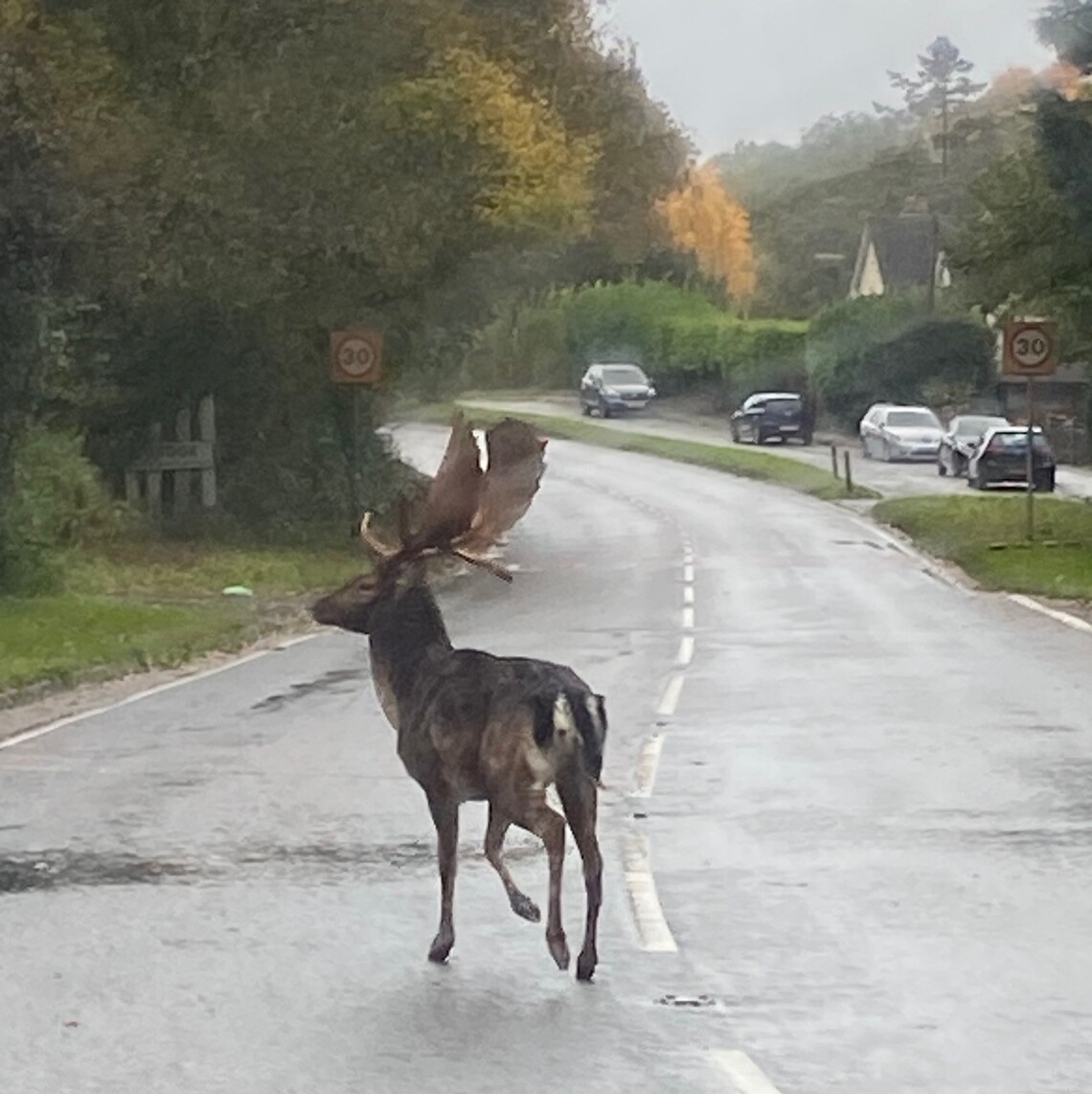
Our Gardens
Gardens cover a significantly larger area of the country than all the nature reserves put together, so they can play a vital part in enhancing biodiversity, climate resilience, rainwater harvesting and quality of water entering local streams.
Every living creature needs food, water and shelter for survival. The more we can supply of these vital resources in our gardens the better! Besides pollinating our crops and floral displays, insects form the main food source for many other creatures which are in turn predated by those higher up the food chain. This makes the decline in insect diversity and numbers a particular concern. Even if we have room for just a window box or pot, we can play a part in providing food for pollinators by maintaining a seasonal display of flowers in it, along with a saucer of water. If we have more space, we can provide a range of suitable plants - diversity is more helpful than numbers of blooms because different plants attract different species. Water is particularly important - the more the merrier but every little helps!
A particular problem for wildlife is the fragmentation of habitats when development blocks off a species' route to other feeding and mating areas. Biodiversity groups in the town and local environmental charities are coming together to address this problem and are seeking the help of local landowners and gardners to create 'wildlife corridors' to link areas of habitat. Examples are neighbours creating 'hedge-hog highways' by making hedgehog sized holes in perimeter fences or tunnels under walls and cement fence bases, complementing the wildlife-friendly offers of adjoining properties in the garden's planting and features.
Beyond the Garden Wall
In the town and beyond, volunteers are creating 'bee-lines' - sowing wildflowers along roadside verges and in 'pocket-parks', restoring or widening open strips along rivers and streams, and restoring areas of heathland. Haslemere Biodiversity Group, along with partnering groups and charities, are working on several exciting projects to bring back key species which once flourished here but have not been sighted in many years. If you would like to know more or get involved, check out:
https://haslemerebiodiversity.org.uk/about/
There are several local conservation groups that would welcome volunteers: National Trust groups care for Blackdown, Shottermill Ponds, The Devil's Punchbowl, many local commons, including Hindhead, Bramshott, Witley and Milford, and Ludshott.
myvolunteering - National Trust
Southdowns National Park
Volunteering in the South Downs - South Downs National Park Authority
At Lynchmere, Cow Club cares for the animals that provide essential grazing of the Lynchmere Commons nature reserve.
Tags:
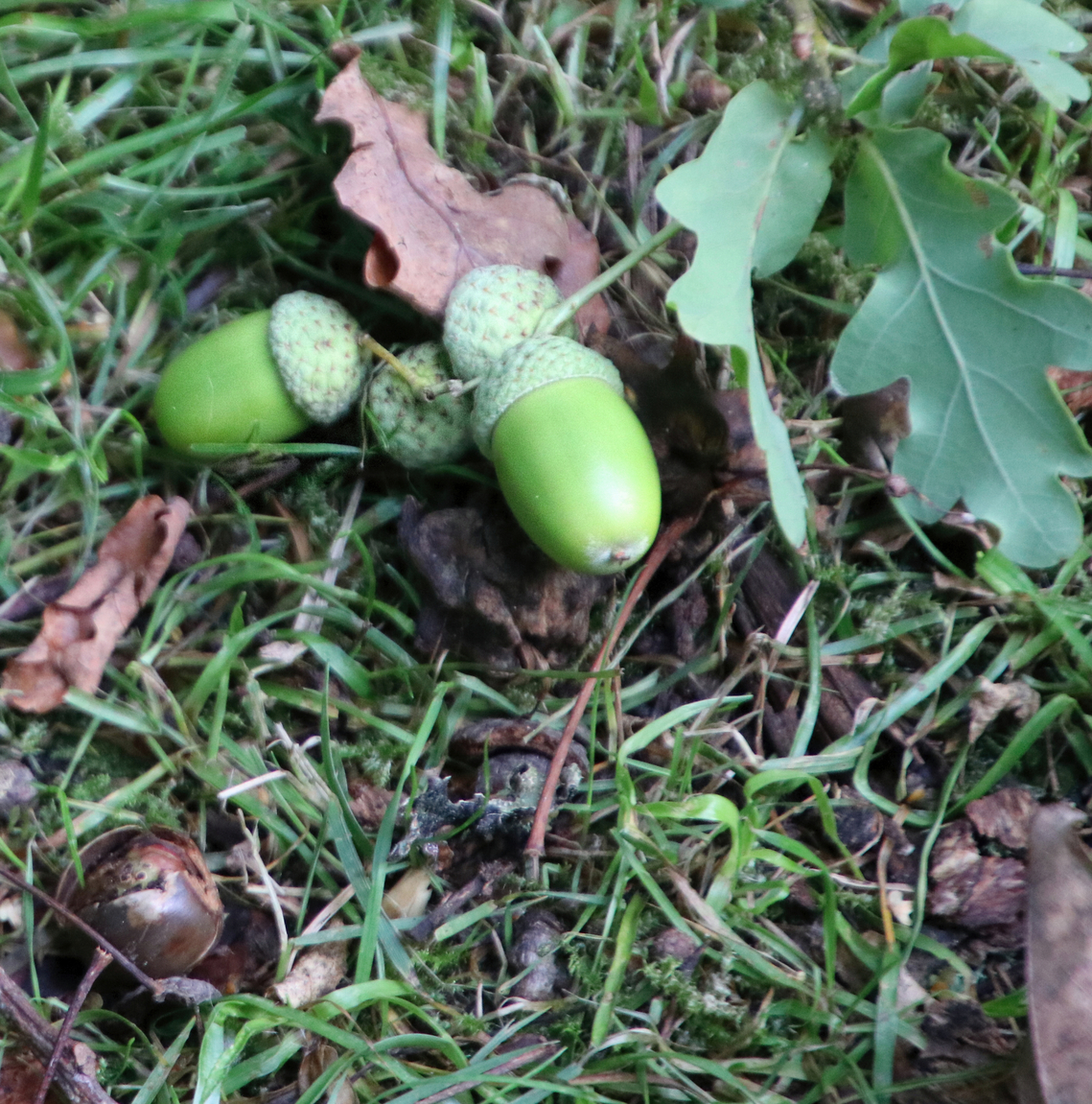
From Little Acorns...
Tiny seeds of involvement to grow a greener future
Autumn 2025 produced a bumper crop of acorns. Many of us, having an oak in the garden, must have puzzled over what to do with them all! Of course, few of them will actually grow to maturity.. Many that do receive insufficient water and nutrients, these quickly perish. Imagine, though, what a mighty forest would grow from our oak, if each acorn was planted, fed and watered!
In January, just like the acorn abundance in autumn, our ‘ground’ is littered with resolutions made and rapidly abandoned! If we just slow down, plant and foster one small resolution each to contribute to the community future we would like to see, here in Haslemere, we CAN make a difference! In this post, we will suggest a few small initiatives in the town to which we might contribute. Then, by way of encouragement, we’ll explore some of the ways initiatives set in motion by individuals and small groups have significantly influenced public awareness and behaviour regarding climate change.
First, though, a couple of tips on how to approach a resolution to play our part in tackling climate change: Living simply should be just that - simple! We’re unlikely to persevere with anything that requires major effort, or that is not integrated into our established routines. Here, habits play a crucial role in sustaining efforts against climate change by taking on the heavy lifting. Once having made the decision to incorporate an action, we don’t have to think about it. Soon, it becomes easier to do than not.
We need to start small. It’s daunting to make several changes, or too big a change, in one go! Build confidence and momentum by adding intended habits one at a time. When the first has become second nature, add another, and so forth.
Surrounding ourselves with like-minded individuals can do wonders for motivation and encouragement, so check out green initiatives in the town to which you might contribute.

A few ways to engage with like-minded townsfolk
• Volunteer with one of the Love Haslemere. Hate Waste initiatives
• Use or contribute to the Community Fridge
• Pop in to the Community Coffee Morning at the Community Fridge, Pathways Community Pavilion, Fieldway, Haslemere, 11am to 1pm, every 2nd Saturday
• Support the Food Bank
• Join a Litter Pick
• Subscribe to Transition Haslemere’s newsletter, or go along to ‘Green Drinks’ discussions on 1st Thursday of the month at the Mill Tavern, 7.30pm
• Help to tend the community orchard and share in its harvests/ apple pressing, etc...
• Subscribe to the Haslemere Biodiversity Group newsletter and join in their discussions and activities
• Join Wey Hill in Bloom volunteers
• Subscribe to Surrey Wildlife Trust newsletters
• Respond to polls from the Active Travel Group and share with them your hopes and experiences of the town in this regard
• Look out for green events to attend on the Haslemere Museum Programme
• Follow local groups on social media, including the Live Simply Haslemere Calendar, to keep abreast of what’s happening
Here, by way of encouragement, are a few examples of small starts that have grown to have big impacts:
1. Plastic Bag Bans
Initiative: Some communities began by implementing small-scale bans on plastic bags, often starting with local retailers.
Impact: These bans led to widespread awareness of plastic pollution. Over time, many areas adopted similar policies, significantly reducing plastic waste and inspiring businesses to offer eco-friendly alternatives.
2. Community Recycling Programs
Initiative: Local communities organised recycling initiatives, starting with simple educational campaigns or neighbourhood collection points.
Impact: As these programmes expanded, they promoted conscious waste management practices. Increased community participation in recycling has led to substantial reductions in landfill waste and fosters a culture of sustainability.
3. Plant-Based Eating Campaigns
Initiative: Local organisations and online platforms launched campaigns encouraging people to try meatless meals, often through events like "Meatless Mondays."
Impact: As participants spread the word and shared experiences, these initiatives have fostered broader acceptance of plant-based diets. Restaurants & food outlets have massively increased their plant-based offerings and supermarkets report that these are their fastest growing lines. This shift has led many to explore sustainable eating habits, ultimately decreasing meat consumption and its environmental impact.
4. Urban Gardening and Community Farms
Initiative: Small community gardens began in urban settings to promote local food production and green space.
Impact: These gardens have transformed neighbourhoods, improving local biodiversity and food security while encouraging residents to engage with sustainable practices. Many communities have expanded these initiatives into larger urban farms, leading to a cultural shift regarding local produce.
5. Climate Strikes and Activism
Initiative: The Fridays for Future movement started with a single teenager, Greta Thunberg, skipping school to protest climate inaction.
Impact: This small act sparked a global movement, inspiring millions of students to join climate strikes. It fuelled public discussion around climate policy, significantly increasing pressure on governments to take action.
6. Renewable Energy Co-ops
Initiative: Community-led renewable energy cooperatives began as small groups pooling resources to install solar panels.
Impact: As more residents become involved, these initiatives help democratise access to energy, encourage local investment in renewable technologies, and raise awareness of the environmental benefits of clean energy.
7. Bike Share Programs
Initiative: Some communities introduced small-scale bike-sharing systems to encourage cycling as a mode of transport.
Impact: These schemes have grown substantially, promoting healthier lifestyles and reducing reliance on cars. In some places, they have led to increased investments in cycling infrastructure and contributed to a cultural shift toward sustainable transport.
Tags: