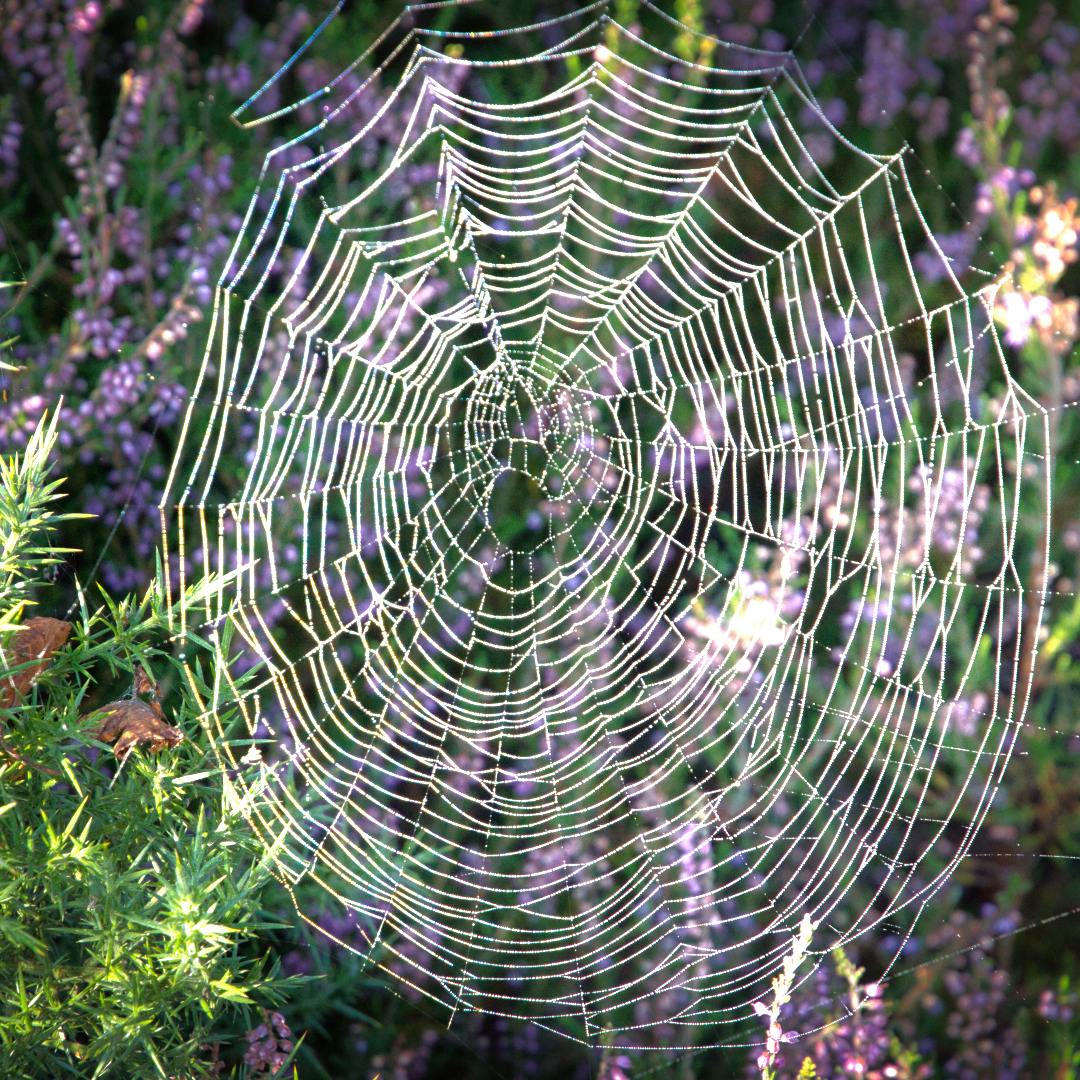
Haslemere is a wonderful, interconnected web of people, plants and animals, and we often find ourselves giving thanks for living in a very special place! We have many opportunities to enjoy the beauties of the natural world and we can easily be lulled into thinking that “Nature is doing okay in our area” . In truth, the future of our environment, and with it our own food security and resilience in the face of extreme climate events is in jeopardy
*Probably, the most helpful thing we can do for local wildlife is to take time to observe and enjoy it!*
Have fun capturing the moment, on camera, in a quick note or recorded message, to share with others. If you dabble in any creative medium, sharing your joy and appreciation through such activities can be very rewarding personally. Sharing what you value also raises the profile of wildlife in the eyes of others, not least the policy makers whose decisions can make or break the town’s wildlife recovery plan.
Surrey’s Biodiversity Losses
• 972 species are currently under threat
• 626 species already extinct locally
• 56% of wildlife has shown a decreasing trend 1970 - 2013
• 43% decline of pollinators in urban area
When we venture outside, we can find a great many plants, insects and animals but it tends to be the same few species we see over and over again! The State Of Nature 2023 highlights significant challenges facing biodiversity in Surrey: Like much of the UK, Surrey is witnessing a decline in wildlife. The average abundance has dropped by 19% since 1970 and nearly 1 in 6 species is at risk of extinction. Key drivers of this deterioration include habitat loss, intensive agriculture, climate change and urban devopment. Of particular concern are invertebrate populations, particularly pollinators like bees and moths, impacting ecosystem functions essential for human survival and agriculture.
We don’t have to go far to see wild creatures - in many cases we don’t have to go anywhere at all because they come to us in our gardens and streets.
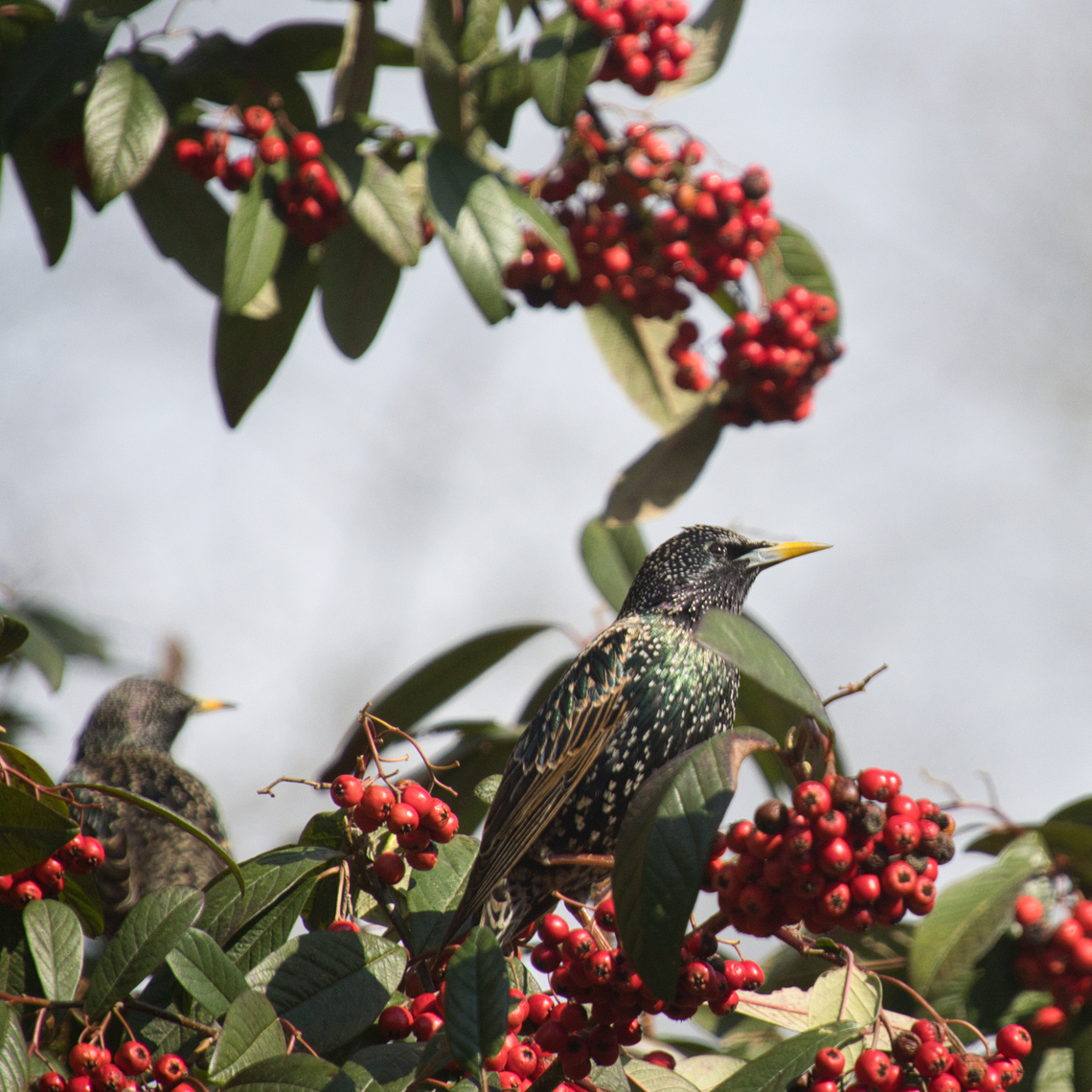
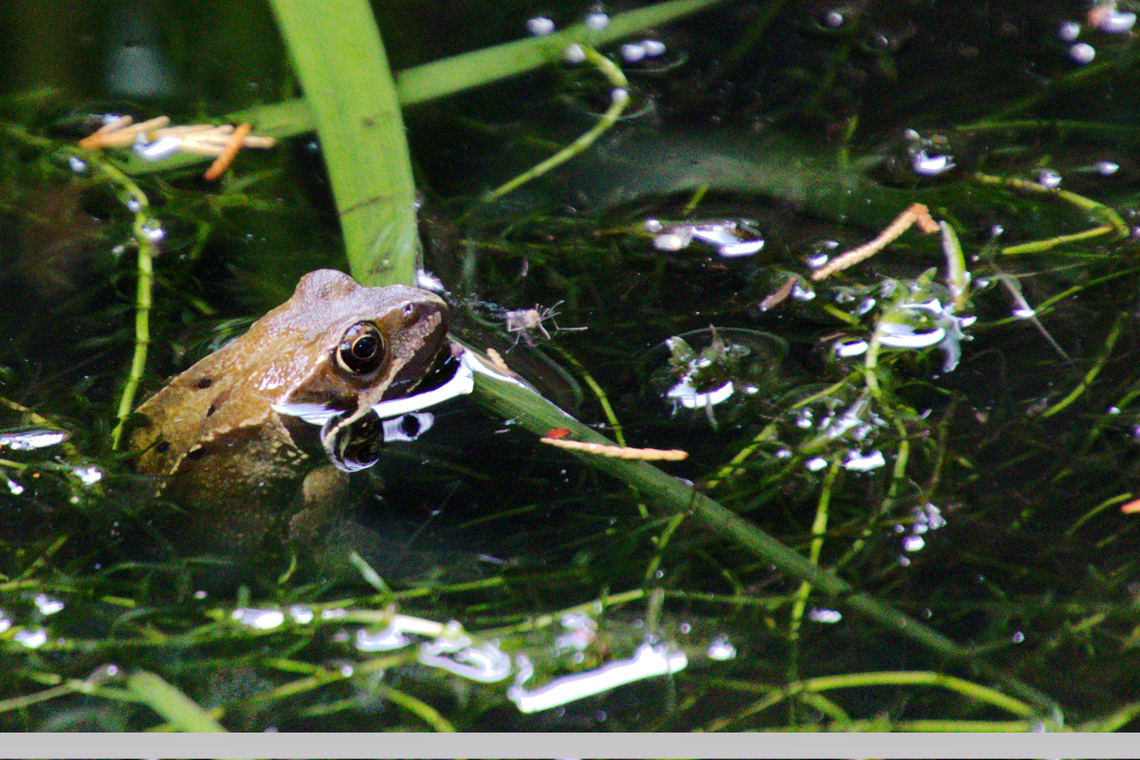
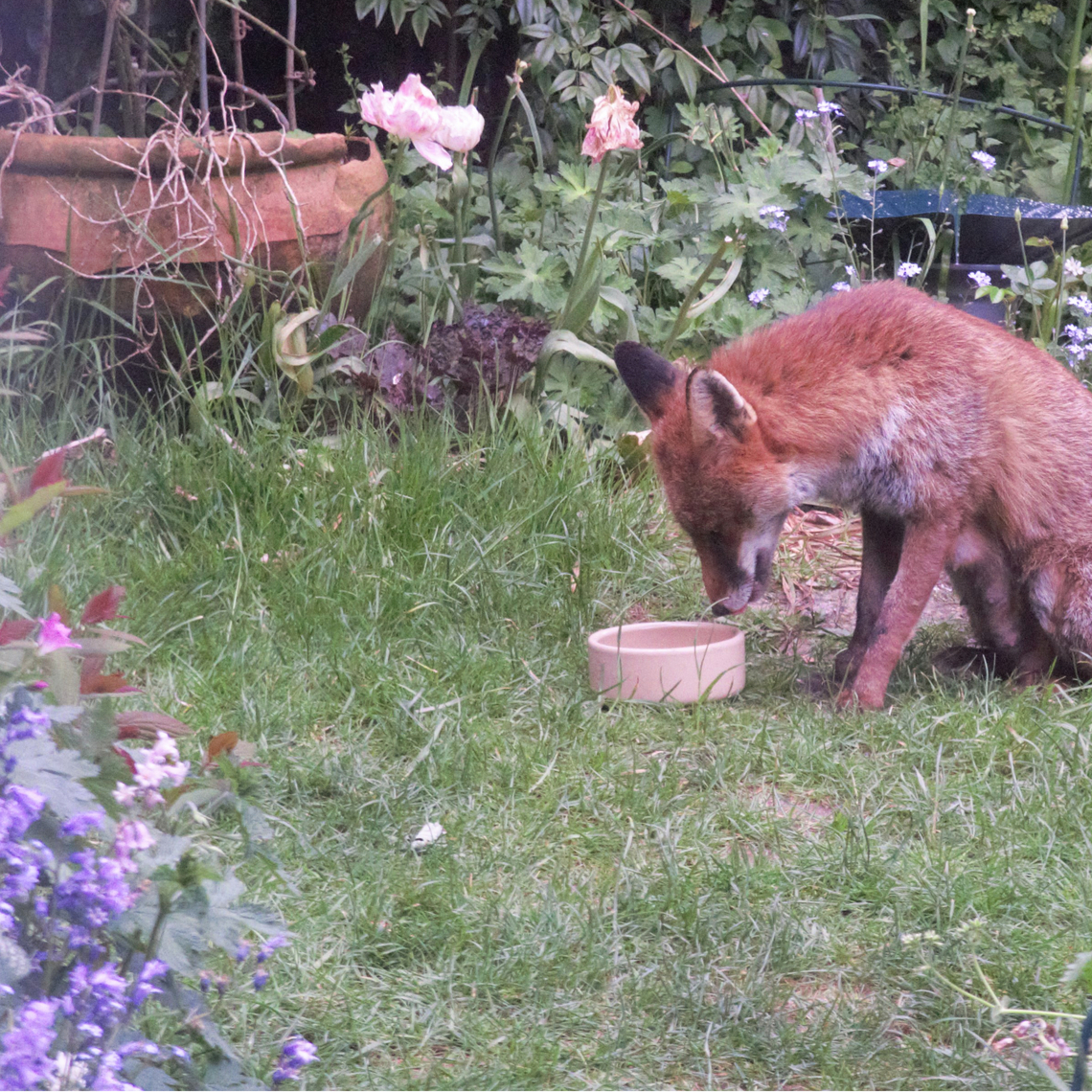
Our Gardens
Gardens cover a significantly larger area of the country than all the nature reserves put together, so they can play a vital part in enhancing biodiversity, climate resilience, rainwater harvesting and quality of water entering local streams.
Every living creature needs food, water and shelter for survival. The more we can supply of these vital resources in our gardens the better! Besides pollinating our crops and floral displays, insects form the main food source for many other creatures which are in turn predated by those higher up the food chain. This makes the decline in insect diversity and numbers a particular concern. Even if we have room for just a window box or pot, we can play a part in providing food for pollinators by maintaining a seasonal display of flowers in it, along with a saucer of water. If we have more space, we can provide a range of suitable plants - diversity is more helpful than numbers of blooms because different plants attract different species. Water is particularly important - the more the merrier but every little helps!
A particular problem for wildlife is the fragmentation of habitats when development blocks off a species' route to other feeding and mating areas. Biodiversity groups in the town and local environmental charities are coming together to address this problem and are seeking the help of local landowners and gardners to create 'wildlife corridors' to link areas of habitat. Examples are neighbours creating 'hedge-hog highways' by making hedgehog sized holes in perimeter fences or tunnels under walls and cement fence bases, complementing the wildlife-friendly offers of adjoining properties in the garden's planting and features.
Beyond the Garden Wall
In the town and beyond, volunteers are creating 'bee-lines' - sowing wildflowers along roadside verges and in 'pocket-parks', restoring or widening open strips along rivers and streams, and restoring areas of heathland. Haslemere Biodiversity Group, along with partnering groups and charities, are working on several exciting projects to bring back key species which once flourished here but have not been sighted in many years. If you would like to know more or get involved, check out:
https://haslemerebiodiversity.org.uk/about/
There are several local conservation groups that would welcome volunteers: National Trust groups care for Blackdown, Shottermill Ponds, The Devil's Punchbowl, many local commons, including Hindhead, Bramshott, Witley and Milford, and Ludshott.
myvolunteering - National Trust
Southdowns National Park
Volunteering in the South Downs - South Downs National Park Authority
At Lynchmere, Cow Club cares for the animals that provide essential grazing of the Lynchmere Commons nature reserve.
Tags: